Batch vs Streaming
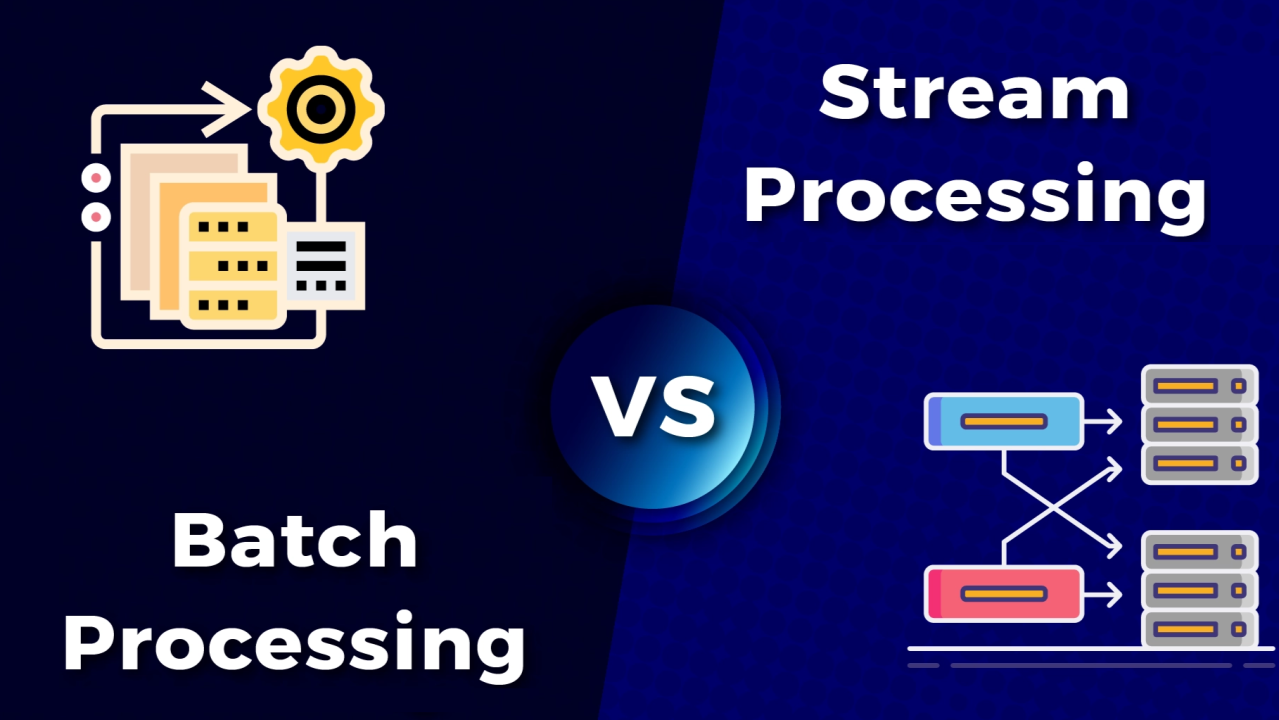
If you don’t understand Batch vs Streaming, you don’t understand modern data pipelines.
👉 These are two fundamentally different ways of processing data:
- Batch → Process data in chunks
- Streaming → Process data in real-time
What is Batch Processing?
Batch Processing means:
- Data is collected over time
- Processed at scheduled intervals
Examples
- Daily sales reports
- Monthly billing
- Nightly ETL jobs
Key Idea
👉 Process data after accumulation
Batch Flow
Source → Storage → Scheduled Processing → Output
What is Streaming Processing?
Streaming Processing means:
- Data is processed as it arrives
- Near real-time insights
Examples
- Fraud detection
- Live dashboards
- IoT monitoring
Key Idea
👉 Process data continuously
Streaming Flow
Source → Stream Engine → Real-Time Processing → Output
Batch vs Streaming (7 Real Differences)
| Feature | Batch Processing | Streaming Processing |
|---|---|---|
| Data Processing | In chunks | Continuous |
| Latency | High | Low |
| Complexity | Low | High |
| Cost | Lower | Higher |
| Use Case | Reporting | Real-time analytics |
| Data Volume | Large | Continuous flow |
| Failure Handling | Easier | Complex |
Data Modeling: Batch vs Streaming (Critical 🔥)
Batch Data Modeling
-
Works with structured data
-
Typically uses:
- Star Schema
- Data Warehouse
👉 Data is already cleaned before use
Streaming Data Modeling
-
Works with event-based data
-
Needs:
- Event schema
- Time-based processing
👉 Example:
- event_time
- user_id
- action
Example Code (Real-World)
Batch Processing Example
-- Daily aggregation
SELECT
    DATE(order_time) AS order_date,
    SUM(amount) AS total_sales
FROM orders
GROUP BY DATE(order_time);
👉 Runs once per day
Streaming Processing Example (Pseudo SQL)
-- Real-time aggregation
SELECT
    window(event_time, '5 minutes'),
    COUNT(*) AS events
FROM stream_data
GROUP BY window(event_time, '5 minutes');
👉 Continuous processing
Performance Reality
Batch
- High throughput
- High latency
- Efficient for large data
Streaming
- Low latency
- Continuous compute cost
- Complex scaling
👉 Reality: Streaming is NOT always better — use only when needed
When to Use Batch vs Streaming
Use Batch when:
- Data is not time-sensitive
- Large datasets
- Cost optimization needed
Use Streaming when:
- Real-time insights required
- Event-driven systems
- Low latency is critical
Common Mistakes 🚨
❌ Using Streaming for Everything
- Expensive
- Unnecessary complexity
❌ Using Batch for Real-Time Needs
- Delayed insights
- Poor user experience
❌ Ignoring Late Data in Streaming
- Leads to incorrect results
Interview Angle 🔥
Must-Know Questions
1. Difference between batch and streaming?
👉 Batch = delayed
👉 Streaming = real-time
2. Which is better?
👉 Depends on use case
3. Example of streaming system?
👉 Kafka + Spark Streaming
4. Can they be combined?
👉 Yes (Lambda / Kappa architecture)
Compare Data Engineering Concepts
FAQ
What is batch processing?
Processing data in chunks at scheduled intervals.
What is streaming processing?
Processing data continuously in real time.
Which is faster batch or streaming?
Streaming has lower latency.
Is streaming always better?
No, it depends on use case.
Comparison Cards
Batch Processing
- Processes in chunks
- High latency
- Cost efficient
- Simple architecture
Streaming Processing
- Real-time processing
- Low latency
- Higher cost
- Complex system
Final Summary
- Batch = Process later, cheaper 📦
- Streaming = Process now, faster insights ⚡
👉 The real skill is choosing the right tool for the right problem